Why Venting a Bathroom Fan Into the Attic Creates Bigger Problems
@dryhousenotes
How bathroom fan venting affects your ceiling
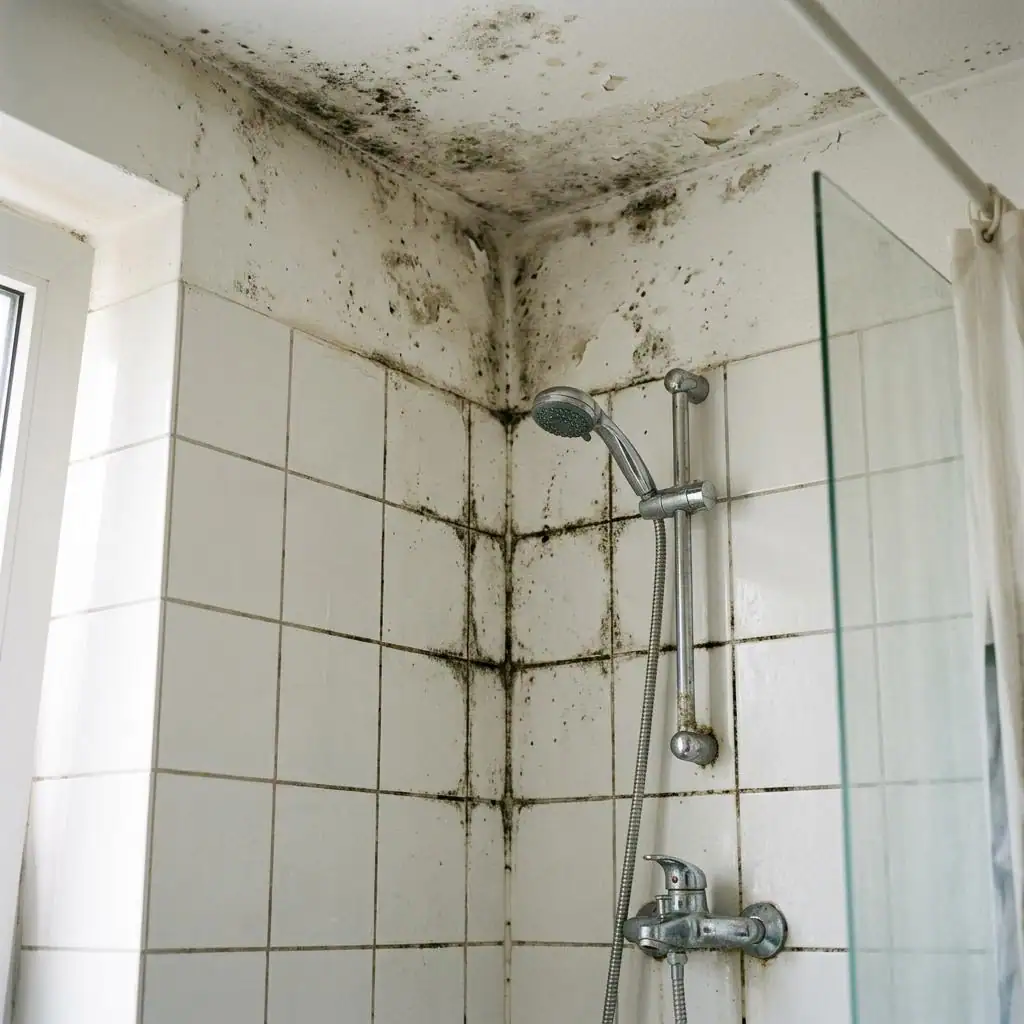
When a bathroom exhaust fan pushes moist air into the attic instead of outdoors, the moisture doesn't just disappear. It settles on cold attic surfaces, soaks into insulation, and creates conditions that lead to ceiling mold. Many homeowners discover this only after stains appear on the ceiling below or a musty smell develops overhead. The connection between improper venting and ceiling mold growth is direct, and understanding it helps explain why ceiling mold remediation often starts with fixing the ventilation system.
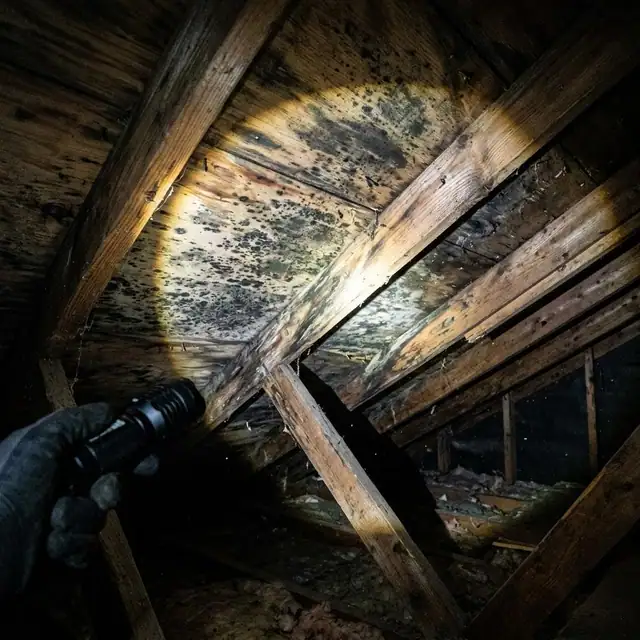
The attic is not designed to handle the volume of warm, humid air that a bathroom fan moves. During a hot shower, the fan can push gallons of moisture-laden air into the attic space. When that air hits cold roof sheathing or rafters, condensation forms. Over time, this moisture saturates the attic insulation and the ceiling drywall below. Mold spores, which are always present in the air, find a perfect home in this damp environment. The result is mold growth that spreads from the attic down into the living space, affecting the ceiling and sometimes the walls.
What happens when moist air hits the attic
Warm air holds more moisture than cold air. When the humid air from a bathroom enters a cooler attic, the temperature drop forces the moisture to condense. This is the same principle that causes a cold drink to sweat on a warm day. In the attic, condensation forms on nails, rafters, roof decking, and insulation. The moisture soaks into materials that are not meant to get wet, especially fiberglass insulation. Wet insulation loses its thermal resistance and stays damp for a long time because attics have limited airflow. Mold colonies can establish within 24 to 48 hours on damp wood or drywall paper.
The problem is worse in colder climates like Boston, where attic temperatures can drop well below freezing during winter. The contrast between the warm bathroom exhaust and the cold attic air creates heavy condensation. Ice can form on the roof sheathing, and when it thaws, the water drips onto the ceiling below. This cycle of freezing and thawing accelerates moisture damage and mold growth. Mold Removal Boston Pros Bathroom Mold Remediation often involves addressing this exact scenario, where improper fan venting has led to hidden mold in the attic and ceiling cavity.
Why ceiling mold remediation requires fixing the vent path
Treating ceiling mold without correcting the moisture source is a temporary fix. The mold will return as long as the bathroom fan continues to dump humidity into the attic. Ceiling mold remediation should include an inspection of the exhaust fan ducting. If the duct ends in the attic rather than going through the roof or a gable vent, the remediation plan needs to address that. Simply cleaning the mold and painting over it does not solve the underlying ventilation problem.
In some homes, the bathroom fan duct is disconnected or was never properly installed. Builders sometimes take shortcuts by venting into the attic because it is easier than cutting through the roof. This practice saves time during construction but creates long-term moisture problems. Homeowners may not notice the issue until ceiling stains or mold appear, which can take months or years depending on how often the bathroom is used. By then, the mold may have spread into the attic framing and insulation, requiring more extensive remediation.
Signs that your bathroom fan is venting into the attic
There are several indicators that suggest the fan is not properly vented. A strong musty odor in the attic, especially after a shower, is a clear sign. Stains or water marks on the ceiling directly below the bathroom are another clue. If the attic insulation feels damp or shows dark spots, moisture is accumulating. Frost on the underside of the roof sheathing in winter points to condensation from warm air. Finally, if you can see daylight through the fan grille from the attic, the duct likely ends there.
Checking the fan duct is a simple inspection. Remove the fan cover in the bathroom and look at the duct. If it goes straight up and disappears into the ceiling cavity, you may need to go into the attic to see where it ends. The duct should connect to a vent pipe that goes through the roof or out a side wall. If the duct just hangs open in the attic space, the fan is venting directly into the attic. That is the problem.
What proper fan venting looks like
A bathroom exhaust fan should vent directly to the outside. The duct should be rigid metal or smooth-walled pipe, not flexible plastic that can sag and trap moisture. The duct should slope slightly downward toward the vent exit so that any condensation drains outside rather than back into the fan. The vent cap should be installed correctly to prevent rain and pests from entering. Insulating the duct in the attic helps reduce condensation on the pipe itself.
For homes where running a new vent through the roof is difficult, there are alternatives. A fan can vent through a gable wall if the attic has adequate ventilation. Some fans are designed to mount on an exterior wall and vent directly outside. In bathrooms without an exterior wall, a roof vent is usually the best option. The key is that the moist air must exit the building entirely, not just move to another part of the structure.
How ceiling mold remediation addresses hidden moisture
Ceiling mold remediation is not just about removing visible mold. It involves identifying and correcting the moisture source. When the bathroom fan is the culprit, remediation typically includes cleaning the mold from the ceiling and attic surfaces, replacing damaged insulation and drywall, and then installing proper fan venting. The goal is to restore the ceiling to a healthy condition and prevent mold from returning. Mold Removal Boston Pros Bathroom Mold Remediation follows this comprehensive approach, treating both the visible problem and the underlying cause.
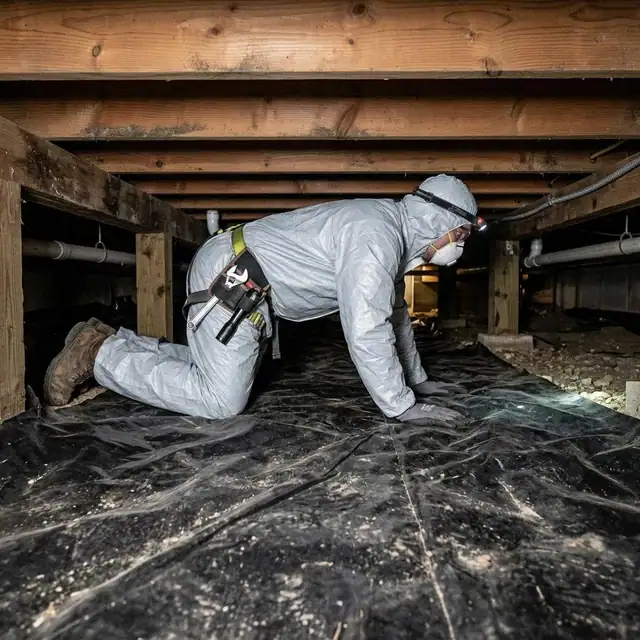
The remediation process usually starts with an assessment to determine how far the mold has spread. If the mold is limited to the ceiling surface, cleaning and repainting may be enough, provided the venting is fixed. If the mold has penetrated the drywall or spread into the attic, more extensive work is needed. This can involve removing sections of ceiling, replacing insulation, and treating the attic framing with antimicrobial solutions. The attic should also be ventilated properly to prevent future moisture accumulation.
Preventing future problems after remediation
Once the ceiling mold is remediated and the bathroom fan is properly vented, ongoing maintenance helps keep the space dry. Running the fan during and for at least 15 minutes after a shower removes residual humidity. Keeping the bathroom door open or installing a humidity-sensing fan switch can also help. In the attic, ensuring adequate ventilation with soffit vents and a ridge vent reduces the chance of condensation forming on cold surfaces. Regular attic inspections, especially after heavy rain or snow melt, can catch moisture problems early.
Homeowners should also consider the overall bathroom ventilation. If the fan is undersized for the room, it may not move enough air even when properly vented. The fan should be rated for the bathroom's square footage. A fan that is too quiet can lull people into thinking it is working when it is not moving much air. Checking the fan's CFM (cubic feet per minute) rating against the bathroom size ensures adequate ventilation.
Why addressing venting matters for your ceiling
The ceiling is often the first place mold becomes visible when a bathroom fan vents into the attic. The moisture travels up, condenses, and soaks downward into the ceiling material. By the time you see mold on the ceiling, the attic may already have significant contamination. Ceiling mold remediation that ignores the venting problem is like patching a leak without fixing the pipe. The moisture will keep coming, and the mold will keep returning. Proper fan venting to the outside is one of the most effective ways to prevent ceiling mold in the first place. For homeowners dealing with existing mold, fixing the vent is an essential part of the remediation process.